Analog vs IP Cameras: Key Differences for Professional Buyers
Analog vs IP cameras differ in signal transmission, power delivery, and data handling. Analog systems use coaxial cables and centralized processing, while IP cameras send digital video over Ethernet networks. This distinction drives decisions on network infrastructure, storage, and future scalability for professional buyers.
- Analog systems send a single video signal over coaxial cable, while IP cameras transmit digital data over Ethernet networks.
- IP cameras require careful network planning for bandwidth and power, which can simplify or complicate site installations.
- Centralized recording in analog systems contrasts with distributed or hybrid storage in IP environments.
- Professional buyers must evaluate total cost of ownership, including cables, switches, storage, and maintenance.
How signal transmission shapes system design
Analog cameras produce a continuous video signal that travels down a coaxial cable. The signal is a low-voltage electrical current that carries the entire video stream to a central recording device. The cable carries both the video and, in many cases, the power needed to run the camera. This single-purpose cable runs from the camera to the head end, where a digital video recorder converts the analog signal into digital files for storage.
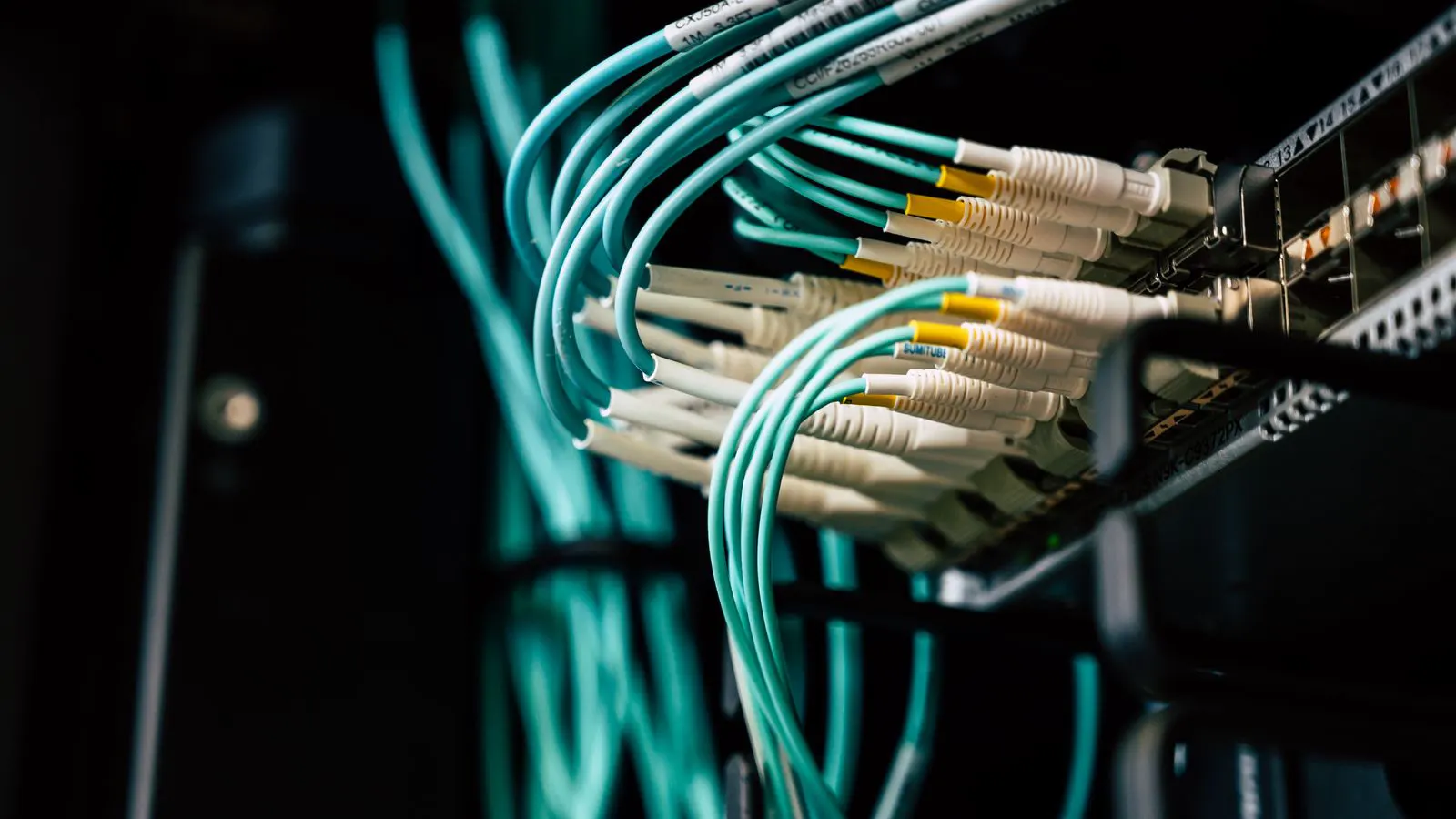
IP cameras capture video and convert it to digital data immediately at the camera. They send this data over an Ethernet network, usually over Category 5e or Category 6 cable. The data travels to a network switch, which routes it to a network video recorder or a cloud storage service. Each camera acts as a small data endpoint on the network.
The difference in transmission changes how you plan the physical layout. Analog systems concentrate all processing at one location. IP systems distribute processing to the network edge. A long run of coaxial cable in an analog setup may cause signal degradation, requiring amplifiers. An IP setup faces different limits, such as network bandwidth and power over Ethernet range.
Power delivery and cabling choices
Analog cameras typically receive power through a separate circuit or a dedicated wire running alongside the coaxial cable. Some systems use a single coaxial cable for both power and video, but this requires specific hardware and careful voltage management. The power supply usually sits at the head end or near the cameras, depending on the design.
IP cameras often draw power over the Ethernet cable using Power over Ethernet technology. This sends both data and power through the same wire. The power level depends on the camera’s needs and the standard in use. A standard PoE camera may draw a few watts, while a camera with heating elements or pan-tilt-zoom movement may need more.
For professional buyers, this distinction affects wiring complexity. A PoE switch at a central location can power multiple cameras with one power supply. Analog systems may need multiple power supplies or dedicated circuits. The physical installation of an IP camera can be simpler if power over Ethernet is available. However, the network switch must be sized correctly to handle the power load.
Bandwidth and network planning
IP cameras consume network bandwidth proportional to their resolution and frame rate. A single camera streaming at high resolution can use a significant amount of data. When you add multiple cameras, the total bandwidth requirement grows quickly. This requirement affects the switches, cabling, and storage systems you choose.
Analog cameras do not create network traffic. The video signal stays on the coaxial cable until it reaches the head end. There is no digital packet loss or network congestion to manage. The bandwidth concern in analog systems is limited to the physical signal quality over long cable runs.
Network planning for IP systems requires checking switch capacity, cable quality, and power budgets. A professional buyer should calculate the total data rate for all cameras and add a buffer for future upgrades. The network switch must handle this load without dropping packets. Packet loss results in frozen or distorted video on the display.
Analog systems avoid this network load entirely. The trade-off is that the head end must process all the video at once. This concentrates the processing demand in one place.
Recording and storage architecture
Analog systems record to a digital video recorder that sits at the head end. All cameras feed into this single unit. The recorder stores the video on hard drives. The number of cameras the system can handle depends on the recorder’s processing power and storage capacity.
IP systems can record in several ways. Each camera may have local storage on a solid-state drive or memory card. Other cameras stream to a network video recorder. Some deployments use a hybrid approach, with local storage for critical cameras and network recording for others.
The storage architecture affects how you access and manage footage. In an analog system, all footage is stored in one place. In an IP system, footage may be scattered across multiple locations. This changes how you plan backups and how you handle data retention.
Professional buyers should consider the total cost of storage. Hard drives in analog systems are typically larger and fewer. IP systems may use many smaller drives or solid-state storage. The choice depends on the number of cameras, the recording duration required, and the resolution level.
Maintenance and troubleshooting
Analog systems have a simpler signal chain. If a camera fails, the problem is usually the camera itself or the coaxial cable. There is no network to diagnose. The head end may show a black screen or a frozen image, which points to the specific camera channel.
IP systems require network troubleshooting. A camera may fail due to a power issue, a cable fault, a switch port problem, or a network configuration error. The image may appear on the monitor but be frozen or distorted due to packet loss. The camera may not appear on the network at all.
This difference affects the skill set needed for maintenance. Analog maintenance is often limited to physical inspection and camera replacement. IP maintenance requires basic network knowledge, including IP addresses, DNS settings, and switch configuration. A professional buyer should ensure the maintenance team has the right skills or contracts in place.
A worked example in plain words
Consider a warehouse with a perimeter of 40 cameras. The building has a central server room with power and network infrastructure. The warehouse floor is large, with long distances between the cameras and the server room.
In an analog setup, you would run coaxial cable from each camera to the server room. You would need a power supply near the cameras or at the server end. The head end would have a digital video recorder that handles all 40 channels. The storage would sit in one rack. If one cable fails, you check the physical connection. The system does not create network traffic.
In an IP setup, you would run Ethernet cable from each camera to a network switch. You might place switches at different points in the warehouse to reduce cable lengths. Each switch would have a power over Ethernet capability to supply power to the cameras. The cameras would send data to a network video recorder or a cloud service. The network switch must handle the data rate from all 40 cameras. If a cable fails, you check the switch port, the cable, and the camera network settings. The system creates network traffic that must be managed.
Cost considerations for professional buyers
The total cost of ownership includes more than the cameras. It includes cabling, power, network equipment, storage, and maintenance. Analog systems may have lower upfront costs for network equipment but higher costs for long cable runs and signal amplifiers. IP systems may have higher upfront costs for switches and network planning but lower costs for power delivery and easier remote management.
Professional buyers should calculate the cost per camera, including installation. They should also consider future needs. Adding more cameras to an analog system may require a new head end or larger storage. Adding more cameras to an IP system may require a larger switch or faster network. The flexibility of the system matters for long-term use.
The choice between analog and IP depends on the specific site. A small site with short cable runs may work well with either system. A large site with long distances and future expansion needs may favor IP. A site with existing coaxial infrastructure may find analog cheaper to upgrade. The decision should be based on the site’s physical layout, network readiness, and long-term plans.
Frequently asked questions
Can I use analog and IP cameras in the same system?
Yes, hybrid systems combine both types. The analog cameras feed into a digital video recorder, while IP cameras feed into a network video recorder. This approach works well when upgrading an existing analog site gradually.
What is the main advantage of Power over Ethernet in IP systems?
Power over Ethernet sends power and data through a single cable. This reduces the need for separate power wiring and simplifies installation. It also allows cameras to be powered from a central switch.
How does bandwidth affect IP camera performance?
Bandwidth determines how much data the network can carry. If the network cannot handle the data rate from all cameras, the video may freeze or drop. Proper network planning prevents these issues.
Which system is easier to maintain?
Analog systems are often easier to maintain because they have a simpler signal chain. IP systems require network knowledge for troubleshooting. The maintenance complexity depends on the skills of the team.
Do analog cameras have lower bandwidth requirements?
Yes, analog cameras do not create network traffic. The video signal stays on the coaxial cable until it reaches the head end. This means no network bandwidth is consumed by the video stream.